.png)

Modern Smart Kitchen Upgrades That Add Real Value for Tampa Bay Homes
- Zackary Dunn
- Jan 28
- 3 min read
Smart kitchen technology has moved far beyond novelty gadgets. Today, it plays a meaningful role in energy efficiency, daily convenience, resale value, and long-term durability, especially for homes in coastal Florida. At Fast Track Renovations (https://www.fasttrackrenovations.com/), we routinely see homeowners overwhelmed by options and unsure which upgrades truly matter versus which ones simply look impressive in advertisements.
This guide explains what smart kitchen upgrades actually do, how they work, what they cost, and how they fit into a practical remodeling plan for Tampa Bay–area homes.
What “Smart Kitchen” Really Means
A smart kitchen uses connected systems and automated features to improve how the space functions. These upgrades typically connect through Wi-Fi or Bluetooth and are controlled via apps, touch panels, or voice assistants. Importantly, smart features are most effective when planned during a remodel, not added randomly after the fact.
The most successful upgrades fall into three categories:
Energy and water management
Cooking performance and food safety
Lighting, ventilation, and layout efficiency

Smart Appliances That Improve Daily Function
Smart Refrigerators
Smart refrigerators monitor internal temperatures, send alerts if doors are left open, and help manage food inventory. For Florida homes, this is especially valuable during power fluctuations or storm season.
Pros: Improved food safety, reduced waste Cons: Higher upfront cost, requires stable internet Cost range: $3,000–$6,000 installed

Smart Ovens and Cooktops
These appliances allow remote preheating, guided cooking modes, and precise temperature control. Induction cooktops with smart sensors also improve safety by staying cool to the touch.
Pros: Faster cooking, safer operation Cons: Learning curve for non-technical users Cost range: $2,500–$5,000 installed

Intelligent Lighting and Electrical Control
Lighting is one of the most underestimated smart upgrades in kitchens.
Smart lighting systems allow homeowners to:
Adjust brightness by task (prep, cooking, cleaning)
Automate schedules
Reduce energy waste

Under-cabinet LED lighting tied to motion sensors is especially effective for nighttime use.
Pros: Energy efficiency, improved usability Cons: Requires professional electrical planning Cost range: $1,500–$3,500 depending on scope
Water-Saving Smart Fixtures
Smart faucets and dishwashers can significantly reduce water usage—an important factor in Florida.
Touchless or app-controlled faucets help control flow and temperature, while smart dishwashers optimize cycles based on load size.
Pros: Lower water bills, improved hygiene Cons: Sensors require proper calibration Cost range: $800–$2,500 installed
Google-verifiable fact: The average U.S. household can save over 30% on water usage by installing Water Sense-labeled smart fixtures, according to EPA data.
Ventilation and Air Quality Control
Florida kitchens face humidity challenges that can damage cabinetry and finishes over time.
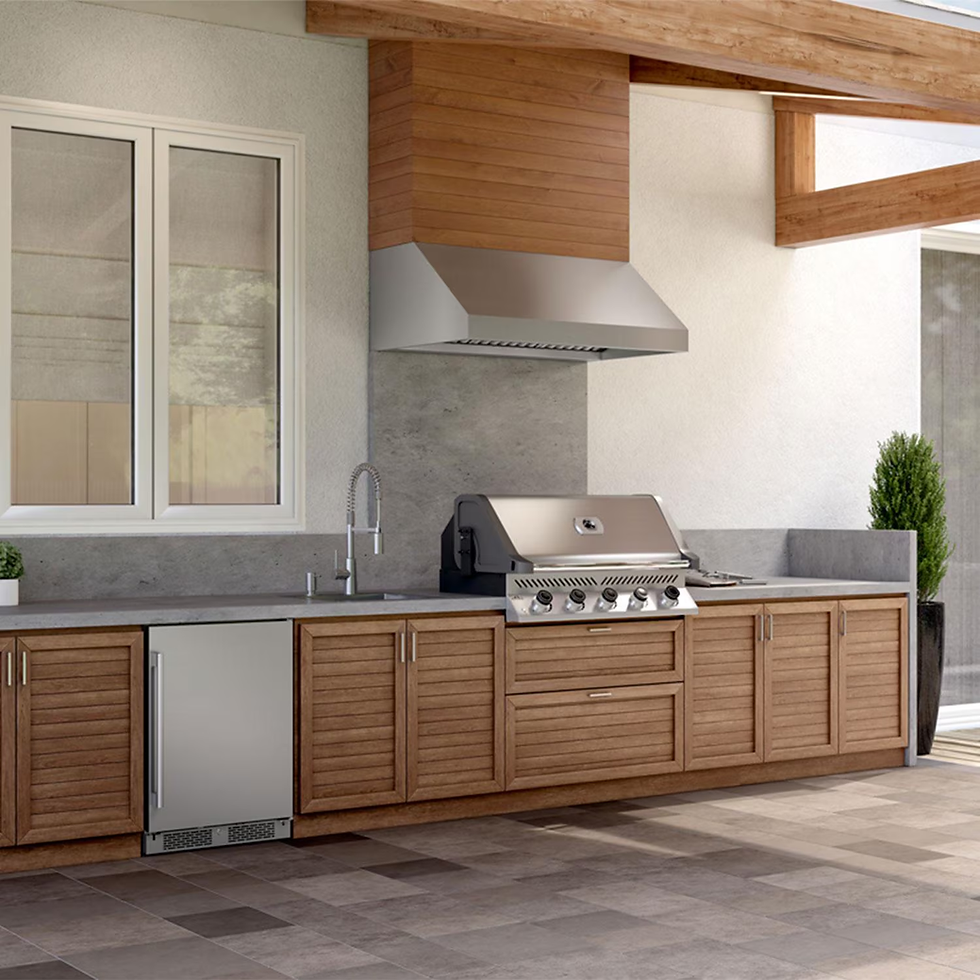
Smart range hoods automatically activate based on heat and smoke levels, helping protect surrounding materials. Some systems also monitor indoor air quality.
Pros: Extends material lifespan, improves comfort Cons: Higher installation complexity Cost range: $1,200–$3,000
Planning Smart Upgrades the Right Way
A common mistake homeowners make is installing smart products without upgrading infrastructure. Smart kitchens require:
Adequate electrical capacity
Proper wiring placement
Strong Wi-Fi coverage
Moisture-resistant materials
Skipping these steps often leads to system failures, disconnected devices, or expensive corrections later.
Another frequent error is choosing features that don’t match how the kitchen is actually used. A successful smart kitchen prioritizes function over novelty.
Budget and Value Considerations
Not every smart upgrade delivers equal return. Generally:
Lighting, faucets, and ventilation provide the best ROI
High-end appliances add appeal but should align with neighborhood value
Over-customization can limit future buyer interest
When done correctly, smart upgrades integrate seamlessly and feel intuitive—not overwhelming.
For additional guidance on kitchen modernization, homeowners often reference this related resource: https://www.fasttrackrenovations.com/post/smart-kitchen-upgrades-tampa-homeowners-want
CONCLUSION
Smart kitchen upgrades are most effective when they are intentional, well-integrated, and designed around real daily use. For Tampa Bay homeowners, the right technology improves comfort, protects materials from humidity, and enhances long-term value. A thoughtfully planned smart kitchen is not about complexity—it is about making the space work better every day.
FAQs
Are smart kitchens expensive to maintain? Most systems require minimal maintenance beyond software updates and occasional sensor calibration.
Do smart appliances work during power outages? Basic functions do, but connected features may be limited unless backup power is available.
Can smart upgrades be added to an existing kitchen? Yes, but costs are typically higher without remodel access to wiring and plumbing.
Are smart kitchens attractive to future buyers? When done tastefully, they often increase buyer interest without requiring explanation.
Do smart features increase energy usage? No—most reduce overall energy and water consumption when properly configured.


Comments